


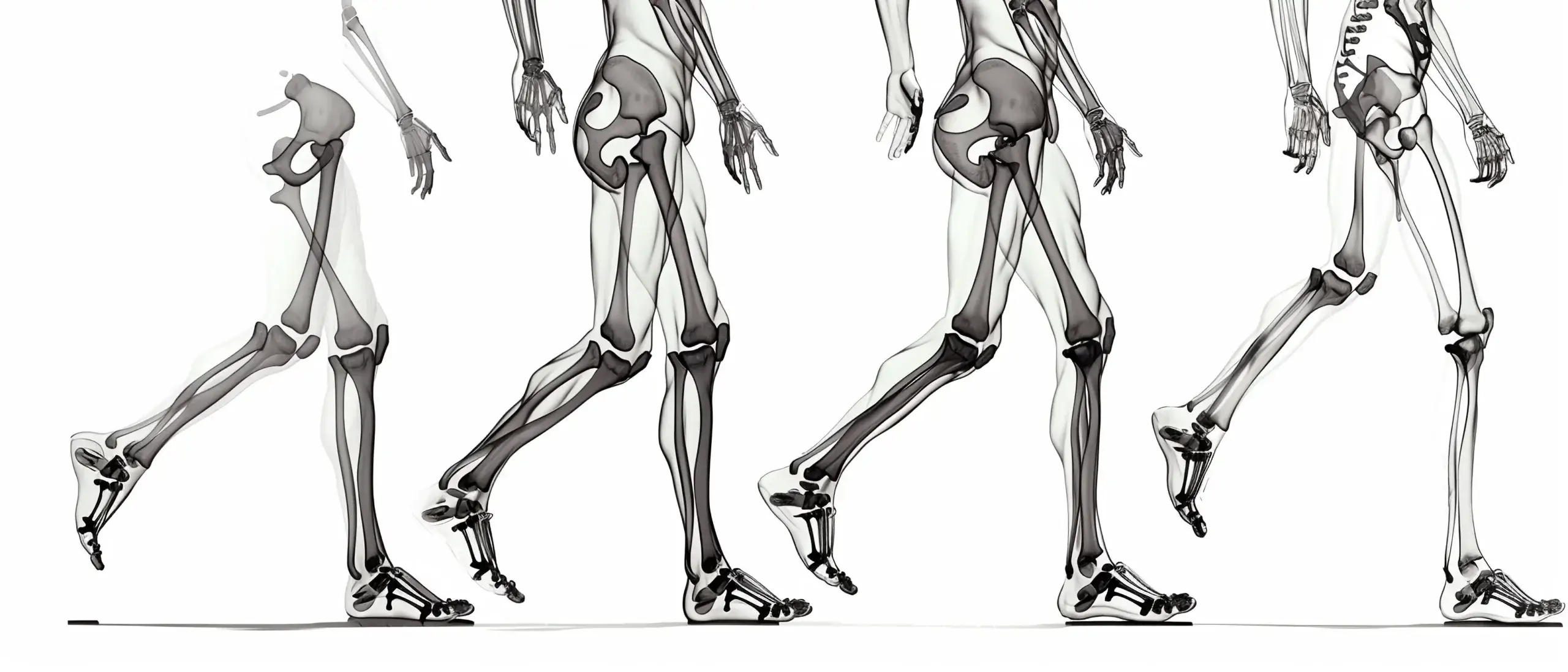
How Your Gait Can Reveal the Source of Pain
Your Walking Pattern Might Be Telling You Something Important About Your Health
October Newsletter
Have you ever truly paid attention to the way you walk? Most of us don’t think much about it–at least, not until we start feeling pain. At that point, we often become extremely aware of our gait!
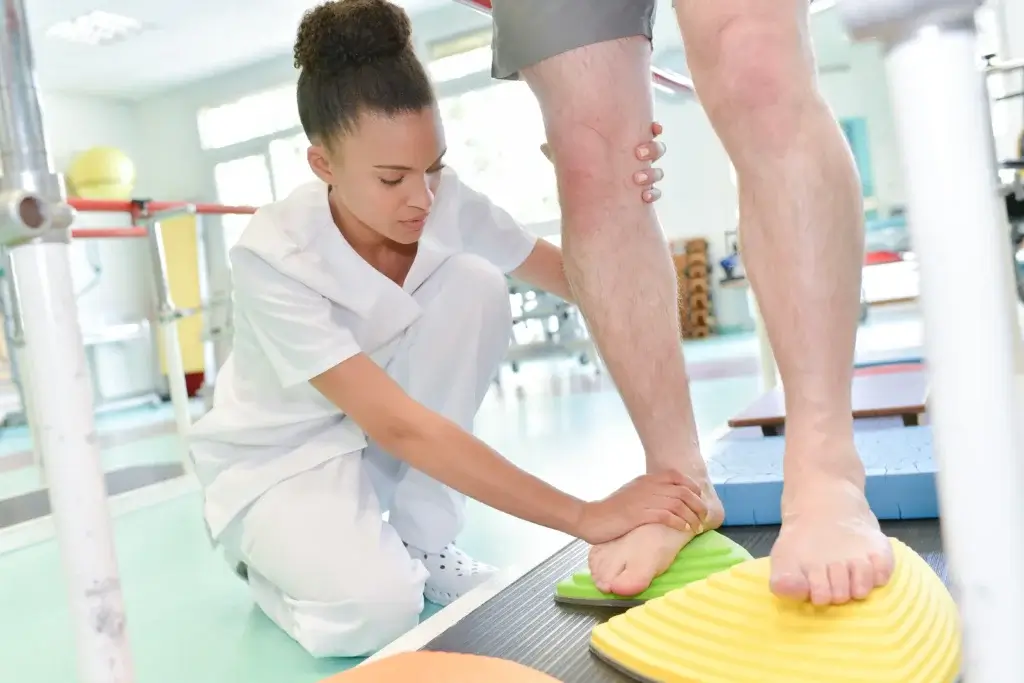
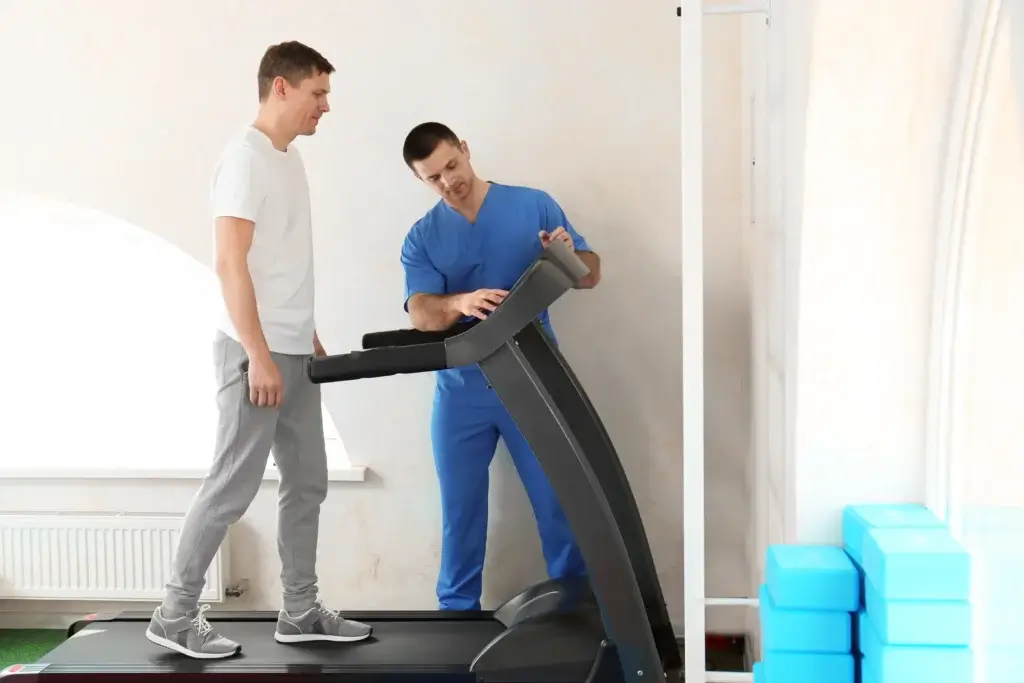
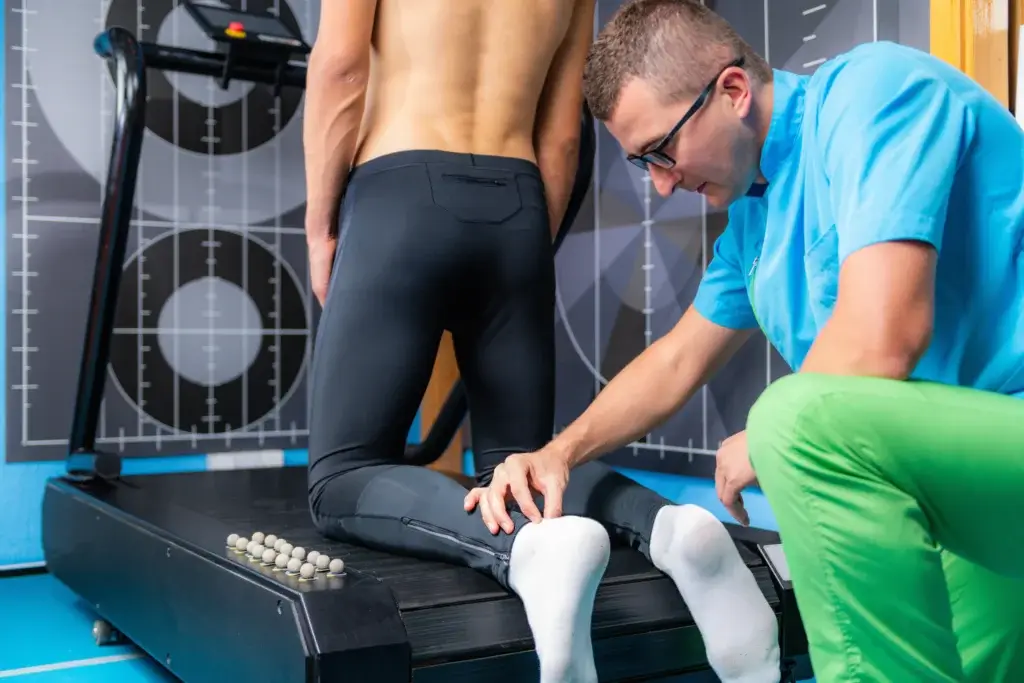
It shouldn’t be a surprise, then, that the way we walk can tell a lot about what’s going wrong in our bodies. In fact, gait is one of the key factors that the Iberia Sports & Rehab physical therapists will consider when we’re trying to determine the reason for your pain. Like a good detective, a physical therapist can often pinpoint the source of pain just by watching you walk for a few minutes.
Let’s explore how we do it!
It All Starts with a Gait Analysis
Your gait refers to the particular movements you adopt when you walk. Everyone has their own unique gait, but certain movement patterns can lead to postural issues, muscular imbalances, or excess strain on your joints.
A gait analysis helps us identify these factors. We’ll watch how you walk so we can assess the following:
- How and where you shift your weight during steps
- How you adjust to the pressure on your joints or change your set or stride length
- How you absorb the impact when the foot hits the ground
What Are We Looking For?
During a gait analysis, we’re looking for several factors that can contribute to pain and dysfunction, including:
- Symmetry: Are you favoring one side over the other?
- Stride Length: Is one step shorter than the other?
- Foot Positioning: Are your feet angled as you walk?
- Smoothness of Movement: Does your walk look jerky or hesitant?
This information helps us better understand your pain and, more importantly, what we can do to address it. What surprises many people is that a gait analysis isn’t just about revealing pain in your foot or ankle. It can actually reveal dysfunction throughout your entire lower body!
Three Ways Your Walk “Talks the Talk”
- Hip Pain: If your hip is the culprit, your gait might show a “limping” pattern, where you favor one leg and appear to minimize the time spent on the affected leg because it hurts. This can look like you’re hesitating or shifting your body side to side with each step. Our PTs notice these subtle shifts when they see that your stride is shorter on one side.
- Knee Pain: Knee pain changes your gait by making you less likely to fully straighten the affected leg when you step. This can cause a noticeable limp or a “shuffling” effect because of the effort put into avoiding bending the knee too much.
- Foot and Ankle Pain: Foot and ankle pain can alter your gait in several ways, depending on where the pain is located. You might walk on the tip of your toes or excessively on the heel to avoid putting pressure on the painful part. This can lead to an uneven or awkward walk.
After the Gait Assessment, It’s Time for Treatment
Our comprehensive gait assessment is just the first step in your care, however. Once we understand your pain, we’ll create a personalized physical therapy plan designed to alleviate it and help you prevent it from returning. Here are some of the techniques we might suggest:
- Manual Therapy: Hands-on techniques to alleviate and manage pain and improve range of motion in the affected joint.
- Therapeutic Exercises: Targeted movements to stretch and strengthen the muscles around the affected area to correct weakness and improve mobility.
- Assistive Devices: Temporary use of tools like braces, crutches, or walking boots to help promote healing while you recover.
- Education: Teaching you about strategies and techniques to avoid further injury.
Book an Appointment at Iberia Sports & Rehab Today!
Pain should not be a normal part of your daily life. If you notice changes in how you walk or are experiencing pain in your hip, knee, or foot, it’s crucial to seek help from our team of physical therapists.
Early intervention can prevent further injury and help you maintain your mobility and quality of life every step of the way.

Patient Success Spotlight
“I have gone to therapy before at the rehabilitation center and had a great recovery. I recently injured myself and immediately asked my doctor to send me to them to get my knee back in working order. The therapists are extremely knowledgeable and understanding. The staff is very friendly and I feel really comfortable receiving care at this facility.”
— A.J.
Walk Your Way To Better Health
When was the last time you went for a stroll around your neighborhood or explored a local nature trail? Walking is a wonderful leisure activity and a great way to spend an afternoon. It also offers several health benefits that contribute to overall well-being, including enhanced cardiovascular health, cognitive function, and mood.

Why Walking is a Powerhouse Exercise
- It reduces your risk of lifestyle diseases. Walking at a brisk pace for just 30 minutes a day offers significant health benefits. Walking:
- Strengthens the heart
- Improves circulation
- Enhances bone health
- Helps maintain healthy blood pressure levels
- It’s accessible. Walking is a low-impact exercise that requires no special equipment or training. It’s a great choice for people of all ages and fitness levels. Just starting out? Go for a walk around the block. Looking for a challenge? Try a strenuous hiking trail.
- Outdoor walking has extra benefits. While you can walk indoors on a treadmill, walking outdoors gives you an extra health boost. It exposes your body to natural sunlight, a vital source of vitamin D that improves immune function, mood regulation, and bone health.
So, if you’re looking for a simple way to tangibly improve your health, incorporate regular walks into your routine! Worried about gait issues or pain? Our team can help you find a walking routine that works for you.
Exercise of the Month
Squats
(Glutes, Quads, Hamstrings)
Stand with your feet shoulder-width apart and arms extended in front of you for balance. Slowly bend your knees and lower your hips as if sitting back into a chair, keeping your chest lifted and knees behind your toes. Push through your heels to return to standing. 3 Sets, 10 Reps. (Materials needed: none)
Recipe of the Month: Breakfast Tacos

Ingredients:
- 4 large eggs
- Sea salt
- ½ teaspoon avocado oil
- 1 cup Pico de Gallo
- ¼ cup grated cheddar cheese or Mexican cheese blend
- ½ avocado, sliced
- 4 corn or flour tortillas, warmed or charred over a gas flame
- Fresh cilantro leaves, for garnish
- Hot sauce, for serving
Instructions:
- In a medium bowl, beat the eggs with a pinch of salt.
- In a medium nonstick skillet, heat the avocado oil over medium heat. Add half the pico de gallo and cook, stirring, for 3 to 5 minutes, or until lightly softened. Add the eggs and scramble until just set. Stir in the cheese and remove from the heat.
- To assemble breakfast tacos, divide the eggs and avocado slices among the tortillas. Top with the remaining pico de gallo and cilantro. Serve with hot sauce.
Meet Our Team




Let’s Get You Better ASAP!
Don’t let pain dictate your life. Take the first step towards reclaiming your mobility and well-being with our expert support. Start your journey to a healthier you today.