


Common Sources of Hip Pain
(And What We Can Do About Them)
February Newsletter
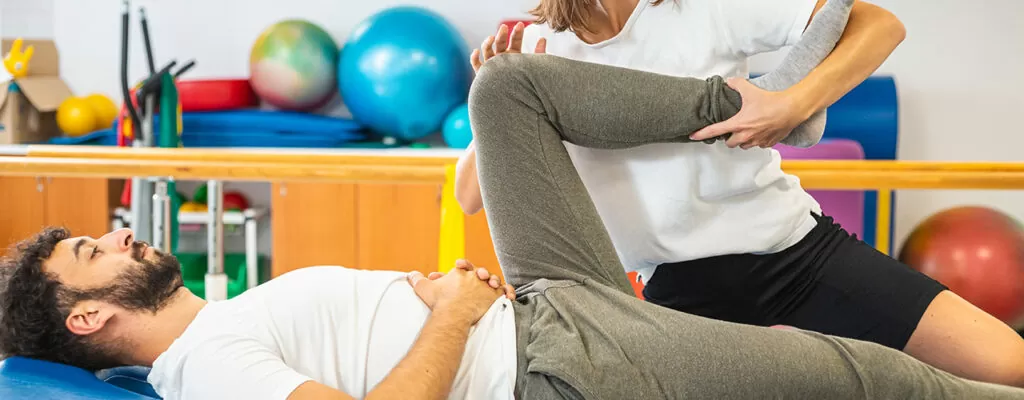
Have you noticed a persistent discomfort in your hip? Is impaired hip mobility making it difficult for you to handle day-to-day tasks? Hip pain isn’t something you have to live with. But to resolve your pain, you’ll need to identify why you’re experiencing pain in the first place.
At Iberia Sports & Rehab, our team of musculoskeletal experts can help you determine the root cause of your hip pain. Whether it’s an underlying injury or a chronic condition like arthritis, we’ll get you the answers you need — and the relief you deserve!
Today, we want to explore some common causes of hip pain and give you some insight into how physical therapy can help. But if you’re currently dealing with hip pain, your best bet is to call us to schedule an initial consultation. Our team can give you personalized guidance to return to an active, healthy lifestyle!
Why Do My Hips Hurt?
Common Hip Injuries and Conditions
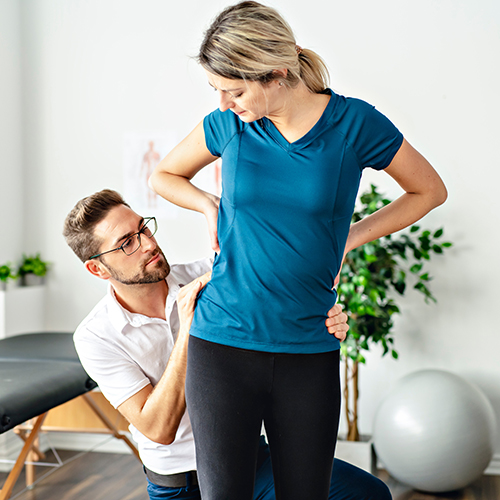
Osteoarthritis (OA)
If you’re an older adult, your hip pain might stem from osteoarthritis, which occurs when the cartilage in a joint starts to degenerate. The hips are one of the more common locations for OA. Symptoms include…
- Pain in the hip and/or groin
- Stiffness in the hip joint, especially after you haven’t moved it for a while
- A sense of weakness in your legs
Hip Impingement
Your hip is a ball-and-socket joint. When the ball part of the joint pinches up against the socket part, you can develop hip impingement. It’s most common in young, active people. Watch out for…
- Pain in the hip joint and discomfort elsewhere in the general area (groin, thighs, lower back)
- Sharp stabbing pain when using your hip (i.e., squatting, running, etc)
- Symptoms that gradually develop over time
Hip Labral Tear
Your labrum is a ring of cartilage that protects your hip socket. A labral tear occurs when that cartilage tears, often due to overuse or a hip impingement. Symptoms include…
- A persistent, dull ache that feels like it comes from deep inside your hip
- Sharp, stabbing pains when using your hip
- Clicking or popping sounds when using your hip
- A feeling of instability in the hip
Hip Strain
A hip strain occurs when the muscles or tendons that support your hip joint become damaged. Your exact symptoms will vary somewhat based on the severity of the strain, but in general, you can expect…
- Pain, especially when using the affected muscle
- Swelling
- Limited range of motion
- Muscle weakness
Hip sprains can also occur, but they tend to be rare. A sprain affects the ligaments in your hip (the tissue that connects the joint). Symptoms are similar to a strain, but you might also experience a sense of the joint buckling under your weight.
What We Can Do to Address Your Hip Pain
Of course, identifying the cause of your hip pain is only the first step in addressing it. Once we know why you’re experiencing pain, we can develop a personalized treatment plan for your needs.
If you’ve suffered a hip injury, we’ll guide you through rehabilitation. Sometimes, physical therapy alone is enough to resolve the injury; other times, you may need medical intervention. Either way, here’s what you can expect:
- Drug-free pain management techniques (such as manual therapy)
- Early mobility work to help improve your range of motion
- Exercises to restore strength and stability
- Targeted balance and gait training
- Activity-specific training (especially if you’re an athlete)
If you’ve developed osteoarthritis, we can help you manage your symptoms and delay the progression of your condition. OA doesn’t have a cure, but physical therapy is considered a frontline treatment to help you avoid a total hip replacement. Your treatment plan may include…
- Activity modifications and other strategies to help you manage discomfort throughout the day
- Manual therapy to help reduce pain and improve mobility
- A personalized exercise program to help you stay active (regular exercise is one of the best ways to manage osteoarthritis)
- Balance and gait training to help reduce your fall risk

Need A Little Help? We’ve Got You
No matter the reason for your hip pain, the Iberia Sports & Rehab therapists will find a solution that works for you. Call us today to schedule an appointment to get started on your journey to hip pain relief!
Contact us today!
Patient Success Spotlight
“The staff here are very friendly! When I started my PT here I was very limited to what I could and couldn’t do! Now 3 weeks out I am able to do more! So thanks guys for working with me! If I could give 10 stars I would! Every person on staff here are great people! Very welcoming and make you feel like family! My journey with you guys has ended but I am for grateful for each of you!”
— Jill
Don’t Ignore Your Joint Pain!
You notice a faint twinge in your hip whenever you squat down. It’s not severe, and it goes away once you stand back up. No big deal, right?
But then you start to notice the pain more frequently, like when you go for a run or work in your garden. It’s also started to get worse. Suddenly, you’re not so sure you can just ignore it. This scenario probably sounds familiar. Most of us have ignored pain at some point in our lives. And sometimes, the pain does go away on its own. But there are circumstances when you shouldn’t ignore joint pain. In those situations, schedule an appointment at Iberia Sports & Rehab.
When Joint Pain Requires Action
Here’s a handy checklist to let you know when you should visit our physical therapists to get your pain checked out:
- Your pain results from an obvious injury
- Your pain is severe enough to affect your day-to-day life
- Your pain is accompanied by mobility restrictions in the joint
- Your pain is constant (24/7) and doesn’t subside after a few days
- You’ve been dealing with persistent pain for months
- You notice swelling in the joint
- Your pain is progressively worsening
Remember, joint pain is your body’s way of telling you something’s wrong — it’s not something you have to live with, even if you’re older. A consultation at Iberia Sports & Rehab can get to the bottom of things and help you find relief.
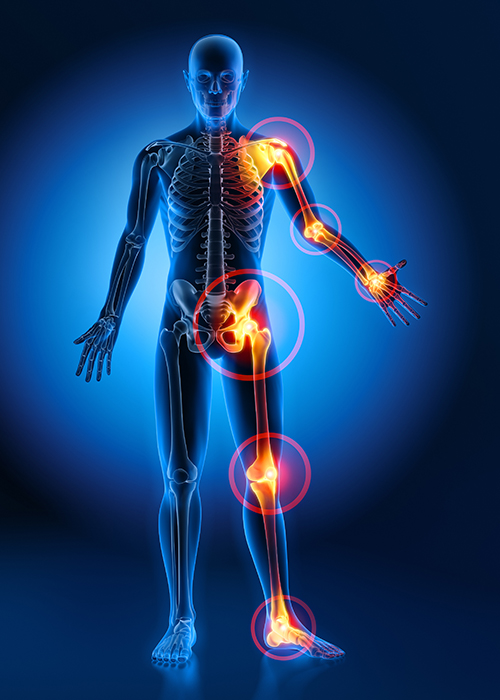
Exercise of the Month
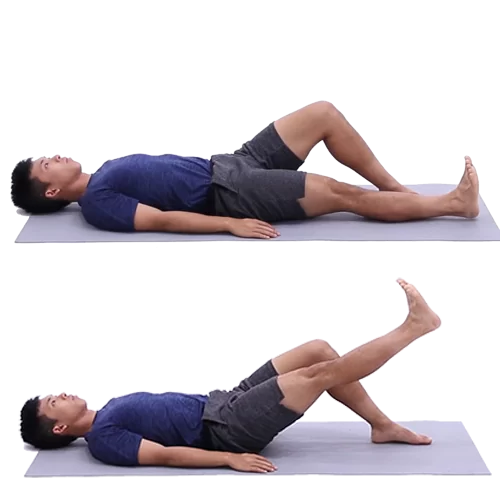
Straight Leg Raise Isometric Hold (45-Degrees)
Start by lying on your back with your arms by your sides, your working leg straight, and your non-working leg bent with your foot flat on the floor. Brace your abdominals and raise your working leg up until it is at a 45-degree angle with the floor. Make sure to keep your leg fully extended. Hold as directed. Lower your leg. Hold for 5 seconds. 3 sets, 5 reps.

Feel Better by Eating Better!
Garlic Parmesan-Stuffed Mushrooms
- 15 mushrooms
- 1 tbsp canola oil
- 2 tbsp garlic, chopped
- ½ tbsp kosher salt
- ½ tbsp black pepper
- 8 oz cream cheese, softened
- ¼ cup Italian breadcrumbs
- ½ cup shredded parmesan cheese, divided
- 2 tbsp fresh parsley, chopped
- 1 teaspoon kosher salt
- 1 tsp black pepper
- fresh parsley, chopped, to garnish
Directions: Preheat oven to 350° F (180°C). Cut the stems off of each of the mushrooms and finely chop them, setting the mushroom caps aside for later. Heat the oil in a pan over high heat. Cook the chopped stems with the garlic, salt, and pepper for about six to eight minutes, constantly stirring. Remove from heat. In a medium bowl, combine cooked stems, cream cheese, breadcrumbs, half of the parmesan, parsley, salt, and pepper, mixing until evenly combined. Space out the mushroom caps evenly on a baking sheet, upside down. Spoon a generous amount of the cream cheese mixture on top of each mushroom. Top each mushroom with a sprinkle of parmesan cheese. Bake for 20 minutes. Garnish with a sprinkle of parsley, then serve!
Meet Our Team




Let’s Get You Better ASAP!
Don’t let pain dictate your life. Take the first step towards reclaiming your mobility and well-being with our expert support. Start your journey to a healthier you today.