


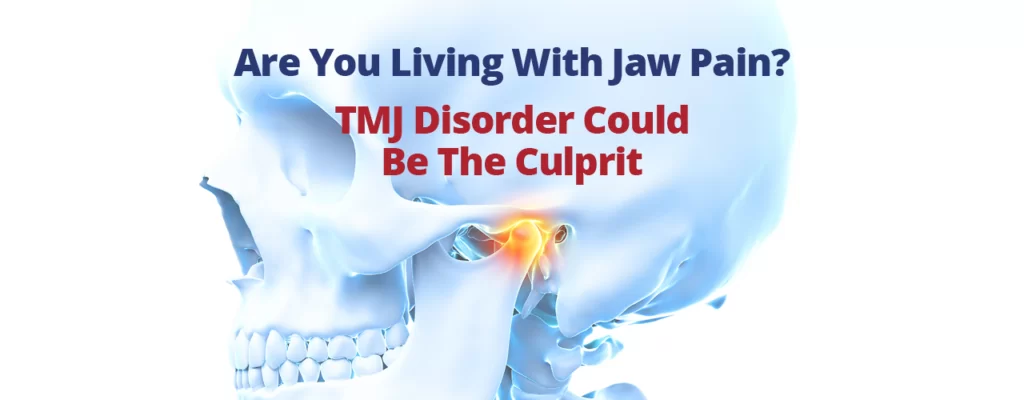
Do you suffer from headaches, grinding of your teeth, clicking of your jaw, or even ear pain? You’re not alone! These can all be signs of a condition known as Temporomandibular Joint Disorder (TMJ).
This is a disorder of the jaw muscles and nerves caused by injury to the TMJ (the temporomandibular joint), which is the joint between your jaw and skull. A physical therapist can take a look at your symptoms and help to diagnose you if this is what has been causing your discomfort!
If you’re living with this condition, don’t fret! The skilled physical therapists at Iberia Sports & Rehabilitation are here to help you find true pain relief once and for all. Call our clinic today and cut the cord tying you to your pain!
Common Causes of TMJ Disorder
According to ChoosePT, TMJ disorder is so common that it currently affects more than 10 million people in the United States. That’s a lot! There are several reasons you may be experiencing symptoms of temporomandibular joint disorder.
Multiple factors contribute to the muscle tightness and dysfunction that characterize this condition. Most often, poor posture and neck alignment change the pull of the muscles that make your jaw move. This causes painful grinding and irritation of the temporomandibular joint.
Other causes may include:
- Poor alignment of or trauma to the teeth or jaw (malocclusion)
- Clenching of the jaw (bruxism)
- Lockjaw (trismus)
- Teeth grinding
- Poor posture
- Stress
- Arthritis or other inflammatory musculoskeletal disorders
- Excessive gum chewing
When you see a physical therapist for pain relief for TMJ disorder, they may ask you questions about your daily life, including stressors and chronic conditions that could be causing your pain.
Symptoms of TMJ
There are several ways to know if you may be dealing with TMJ, although the best way to find out for sure is to visit an Iberia Sports & Rehabilitation physical therapist!
When a person has TMJ, the injured joint leads to pain with chewing, clicking, and popping of the jaw; swelling on the sides of the face; nerve inflammation; headaches; tooth grinding; and sometimes dislocation of the temporomandibular joint.
The bad news is that this condition can make everyday things such as talking and eating pretty uncomfortable. The good news is that a lot can be done to help TMJ disorder, first starting with a thorough evaluation of your problem with our expert physical therapists!
How Can a Physical Therapist Help with TMJ?
Dentists and orthodontists aren’t the only ones who can treat TMJ disorder. Physical therapists can as well. At your first appointment with Iberia Sports & Rehabilitation, a thorough examination of your neck, shoulders, and thoracic spine will be performed to determine whether those structures are causing your symptoms.
Once the root cause of your problem has been discovered, a comprehensive plan can be developed to quickly relieve your pain and restore natural movement to your temporomandibular joint. Furthermore, our physical therapists will teach you techniques for regaining normal jaw movement for long-lasting results.
The focus of physical therapy for TMJ is relaxation, stretching, and releasing tight muscles and scar tissue. In most cases, physical therapy can resolve TMJ and prevent the need for surgery.
However, in cases where surgery is absolutely necessary, physical therapy is a vital part of the recovery process, as it helps minimize scar tissue formation, muscle tightness and allows for a complete recovery.
Your recovery plan may involve a range of procedures and modalities, such as jaw exercises, soft tissue massage, joint mobilization, myofascial methods, electrical stimulation, and ultrasound. Your PT will also work with you on improving your posture as well since this can contribute to TMJ-related pain.

Give Us a Call Today
If you’re experiencing jaw pain and discomfort, it’s highly recommended to contact Iberia Sports & Rehabilitation and schedule an appointment for a thorough evaluation of your condition. Our team of physical therapists will make every effort to provide you with the pain relief you need and alleviate any discomfort you may feel while speaking, chewing, yawning, and more. Don’t hesitate to reach out and let us help you regain your comfort.
What are you waiting for? Relief is just a click away, so reach out today to set up an appointment!
Patient Success Spotlight
“Therapists are so friendly and know exactly what to do to help you get better”
— Cheryl M.

Anniversary Specials!
Anniversary T-Shirt
Bring in this coupon (printed out or on your phone) and get a free Anniversary T-Shirt!


Leave Us A Google Review
Leave us a Google review and qualify for Weekly Prizes in Celebration of Our 20th Anniversary! After leaving the review print out the coupon or bring it in on your phone, and you could win one of the weekly prizes!

Relieving arthritis or joint pain may be easier than you think! The solution may be as simple as paying attention to what you are eating in order to avoid inflammatory foods that often lead to pain.
What Inflammatory Foods Lead to Pain?
Eating highly processed foods (such as pasta, bread and crackers — especially those containing gluten) creates inflammation in the body. This inflammation then leads to the actual physical pain that you may feel in your knees and joints since the joints are particularly vulnerable to inflammation.
Foods with gluten, trans fats, — found in snack foods like chips and pastries — and high sugar — that handful of M&Ms from your coworker’s desk — all cause inflammation. For many people, dairy products are also inflammatory.
Staying Active
Staying active is also important to maintaining healthy joints. At Iberia Sports & Rehabilitation we can help develop a fitness plan to keep you feeling stronger, better, and more active.
Feel Better by Eating Better!
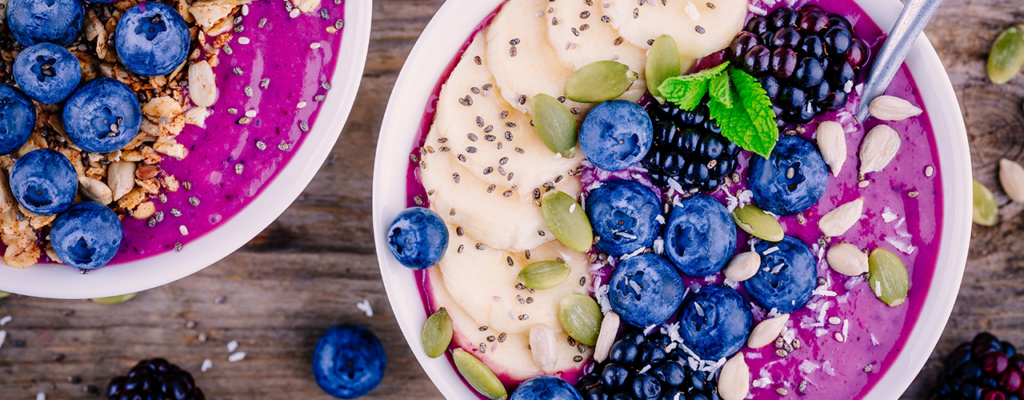
Acai Smoothie Bowl
This quick and easy acai bowl recipe is a thick smoothie that’s served in a bowl and finished with a fun and colorful variety of toppings. The perfect healthier option for breakfast, lunch or snack time.
Ingredients:
- 1 cup of apple juice
- 1 large banana sliced
- 1 1/2 cups of frozen berries
- 1/2 cup vanilla Greek yogurt
- 1 tablespoon honey
- 1 frozen packet of acai berry puree (100 grams)
- Assorted toppings such as sliced almonds, berries, shredded coconut, granola, chia seeds, sliced banana, mint sprigs, etc.
Directions:
Place the apple juice, banana, frozen berries, yogurt, honey and acai puree in the blender. Blend until thoroughly combined and smooth. Pour the smoothie into 2 deep bowls. Arrange the desired toppings over your smoothie bowls and serve.
https://www.dinneratthezoo.com/acai-bowl-recipe/