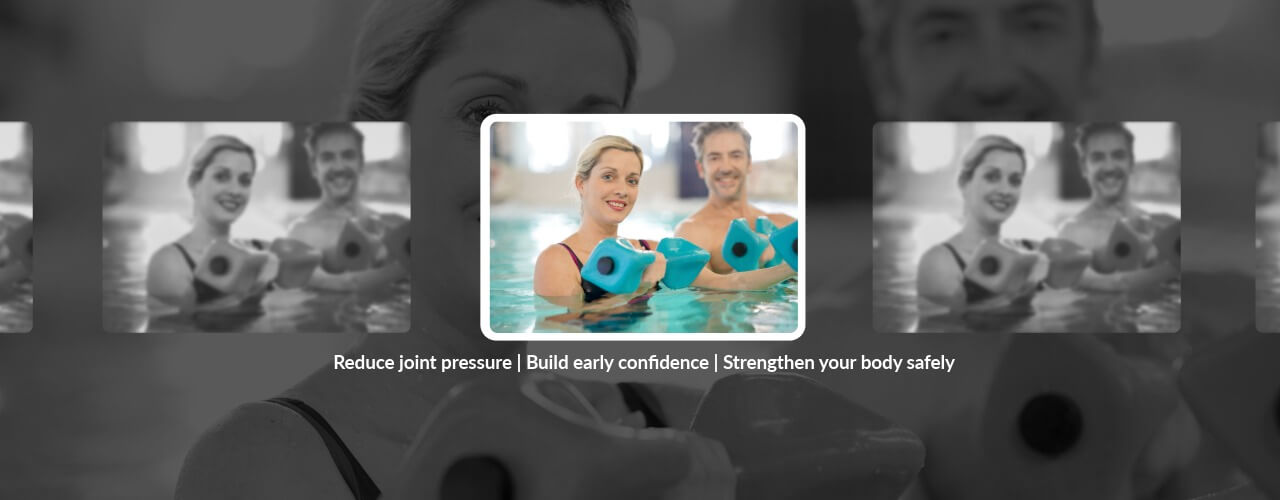
Adults recovering from pain, stiffness, or injury often wonder whether aquatic therapy or traditional physical therapy will help them feel better faster. Each approach offers unique advantages, and the best choice depends on symptoms, comfort levels, and mobility needs. Comparing aquatic therapy vs traditional therapy helps adults understand how each method supports recovery and how physical therapists choose the right blend for each stage of healing.
Frequently Asked Questions about Aquatic Therapy vs Physical Therapy
What Makes Aquatic Therapy Different from Land-Based Therapy?
Aquatic therapy takes place in warm water, where buoyancy supports the body and reduces pressure on painful joints. Traditional therapy occurs on land and relies on gravity, strengthening equipment, and manual techniques. Both share the same goals: reduce pain, improve mobility, restore strength, and rebuild confidence. The difference lies in how each environment helps the body move.
Why Does Water Make Movement Feel Easier?
The water holds a portion of your body weight, which reduces stress on joints and irritated tissues. Adults with arthritis, back pain, or post-surgical discomfort often feel relief the moment they enter the pool. This lighter environment allows them to practice walking, stepping, and stretching with less discomfort. Traditional therapy requires the body to support full weight, which is important later in recovery but may feel challenging at first.
How Does Warm Water Support Healing?
Warm water increases blood flow and helps tight muscles relax. This makes stretching easier and reduces tension around injured areas. Adults who struggle with stiffness or guarded movement often progress more comfortably in the pool. Traditional therapy uses heat packs or manual techniques to help muscles relax, but water provides full-body warmth that enhances movement throughout the session.
Does Water Still Build Strength Effectively?
Yes. Water creates natural resistance in every direction. This means the harder you push, the more resistance the water provides. It challenges muscles without placing heavy strain on joints. Traditional therapy uses weights, resistance bands, and bodyweight exercises to build strength. These tools are essential later in recovery, but water offers a safe starting point for adults who cannot yet tolerate land-based training.
Which Option Improves Balance Better?
Both can help balance, but in different ways.
In the pool, slowed movement gives adults time to correct their balance. Gentle water currents create small challenges that improve stability. On land, balance work requires stronger joint control and more body awareness. This makes traditional therapy ideal for later stages of rehabilitation. When comparing aquatic therapy vs traditional therapy, water is often better for rebuilding early balance, while land-based work strengthens long-term stability.
Is Aquatic Therapy Better for Certain Injuries?
Aquatic therapy is especially helpful for adults dealing with
- Chronic joint pain
- Back pain
- Mobility limitations
- Post-surgical stiffness
- Weakness due to long recovery periods
- Fear of movement or reinjury
Traditional therapy becomes more important as strength returns and daily activities require more load. Most adults benefit from a combination of both at different stages.
How Do Therapists Decide Aquatic Therapy vs Traditional Therapy?
Physical therapists assess strength, mobility, pain levels, and overall comfort with movement. If a person feels too much discomfort during weight-bearing activities, the therapist may begin treatment in the pool. Once mobility and confidence improve, the therapist gradually transitions the patient to land-based exercises that mimic real-life demands. This blended approach supports a steady and safe progression.
Does Aquatic Therapy Replace Traditional Therapy?
No. Aquatic therapy does not replace traditional therapy. Instead, it prepares the body for it. Water builds confidence, reduces pain, and restores gentle movement. Traditional therapy completes the process by building full-body strength, improving coordination, and preparing adults for daily tasks. Both options play important roles in comprehensive rehabilitation.
What Role Does Manual Therapy Play in Each Setting?
Manual therapy is typically performed in the clinic, not in the pool. It includes soft tissue work and gentle joint techniques that reduce tension and improve mobility. Manual therapy supports both forms of exercise by helping the body move more freely and preventing irritation during activity. Therapists often use manual therapy before aquatic or land-based sessions to prepare the body for exercise.
Which Option Helps Adults Return to Daily Life Faster?
The answer depends on the stage of injury.
Aquatic therapy helps adults move comfortably earlier. Traditional therapy prepares the body for challenges such as lifting, climbing stairs, bending, or working long hours. When combined properly, both forms of therapy help adults return to normal life with less discomfort and greater confidence.
Find the Right Therapy Plan at Iberia Sports & Rehab
At Iberia Sports & Rehab, physical therapists help adults understand the benefits of aquatic therapy vs traditional therapy and create personalized plans that match each stage of recovery. Whether you need gentle support from warm water or strengthening on land, our team guides your progress safely and effectively. Contact Iberia Sports & Rehab today to learn which approach is right for your recovery.
Tags: aquatic physical therapy, joint‑friendly exercise, land‑based therapy, warm‑water rehabilitation