


Strength Training Helps You with Osteoporosis
Create Your Own Path To Stronger Bones
Do you ever find yourself worrying about your bone health? Perhaps a family member has been diagnosed with osteoporosis, or maybe you’ve noticed a slight decrease in your height or stooped-over posture. It’s natural to feel concerned, but the good news is that there are effective ways to manage and even improve bone health. One such method that is gaining increasing recognition is strength training with physical therapy.
Health Tips Interactive Tracker
Track Your Path To Stronger Bones
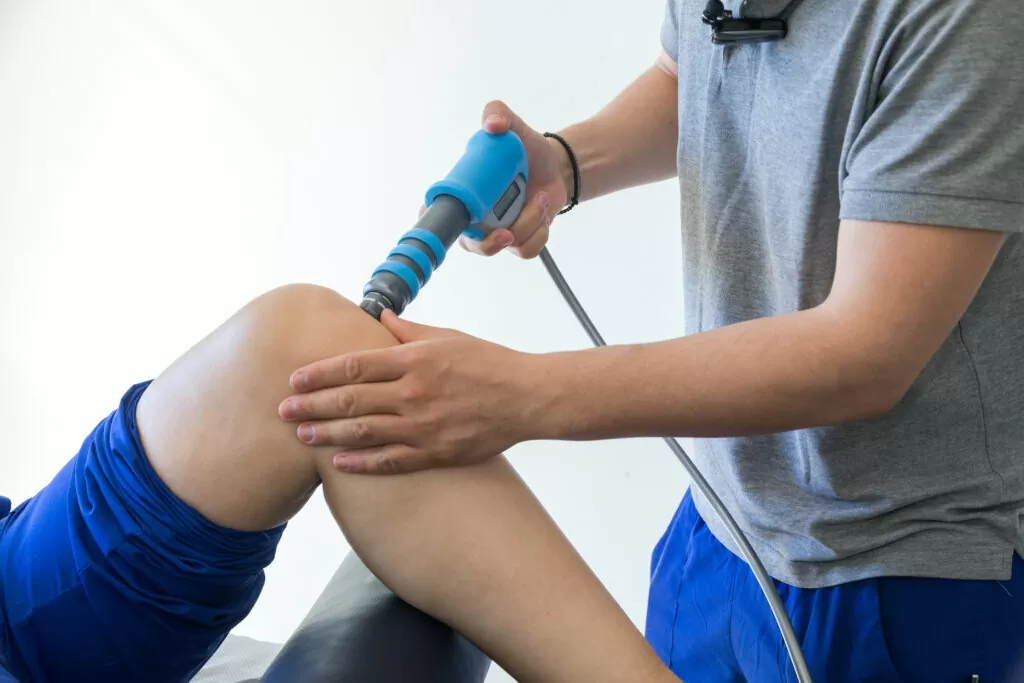
Now Offering Shockwave Therapy for Recovery
We’re excited to introduce our new Gainswave for Recovery Shockwave Therapy service. This non-invasive treatment uses acoustic wave technology to help stimulate the body’s natural healing process, making it a great option for certain chronic tendon, muscle, and soft tissue conditions.
This service is cash pay only, as it is not covered by insurance. If you’ve been dealing with lingering pain or an injury that hasn’t responded to other treatments, ask us if shockwave therapy may be right for you.
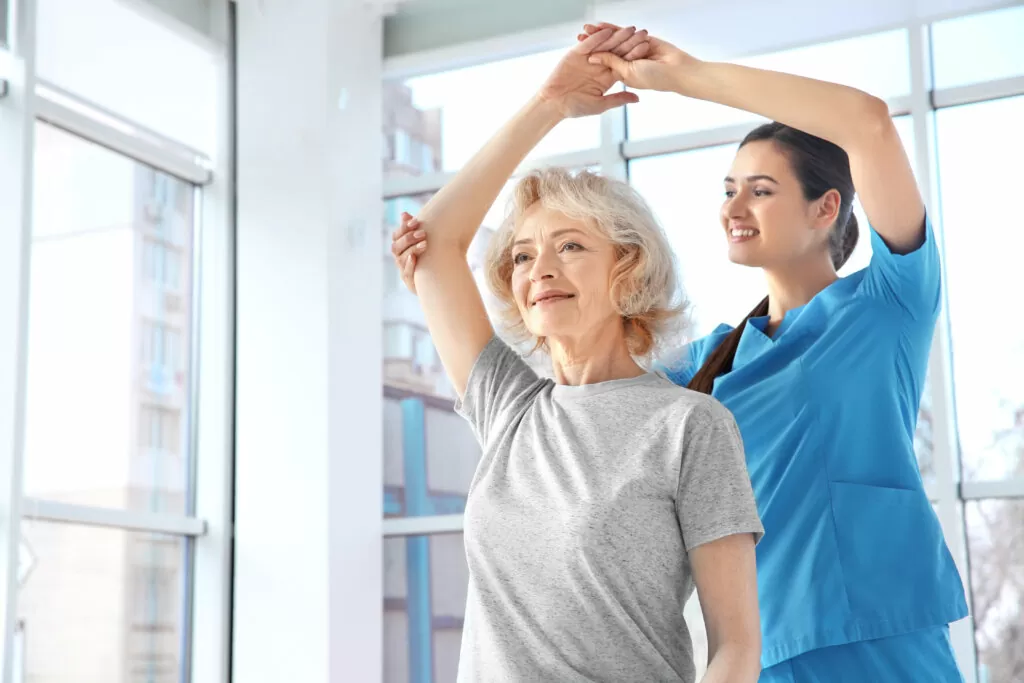
The Connection Between Osteoporosis and Strength Training
Osteoporosis is a condition characterized by decreased bone mass and density, leading to increased bone fragility and a higher risk of fractures. It affects millions of people worldwide, particularly women after menopause.
Causes of Osteoporosis
The causes of osteoporosis are complex and multifaceted and often include the following:
- Hormonal Changes
- Age
- Genetics
- Gender
Risk Factors
- Family history of osteoporosis
- Low calcium intake
- Vitamin D deficiency
- Smoking
- Excessive alcohol consumption
- Sedentary lifestyle
Symptoms
Osteoporosis can remain asymptomatic until a fracture occurs. However, there may be subtle signs, such as:
- Gradual height loss
- Stooped posture
- Increased susceptibility to fractures, even from minor falls
If you suspect you may have osteoporosis or are at risk, it’s crucial to seek medical evaluation and guidance.
Strength training with physical therapy techniques involves using weights, resistance bands, or body weight to challenge your muscles and bones. When you engage in strength training exercises, you create a mechanical load on your bones, stimulating bone cells called osteoblasts to build new bone tissue, which increases bone mass and strength. Furthermore, strength training improves muscle mass and balance, which helps reduce the risk of falls and fractures.
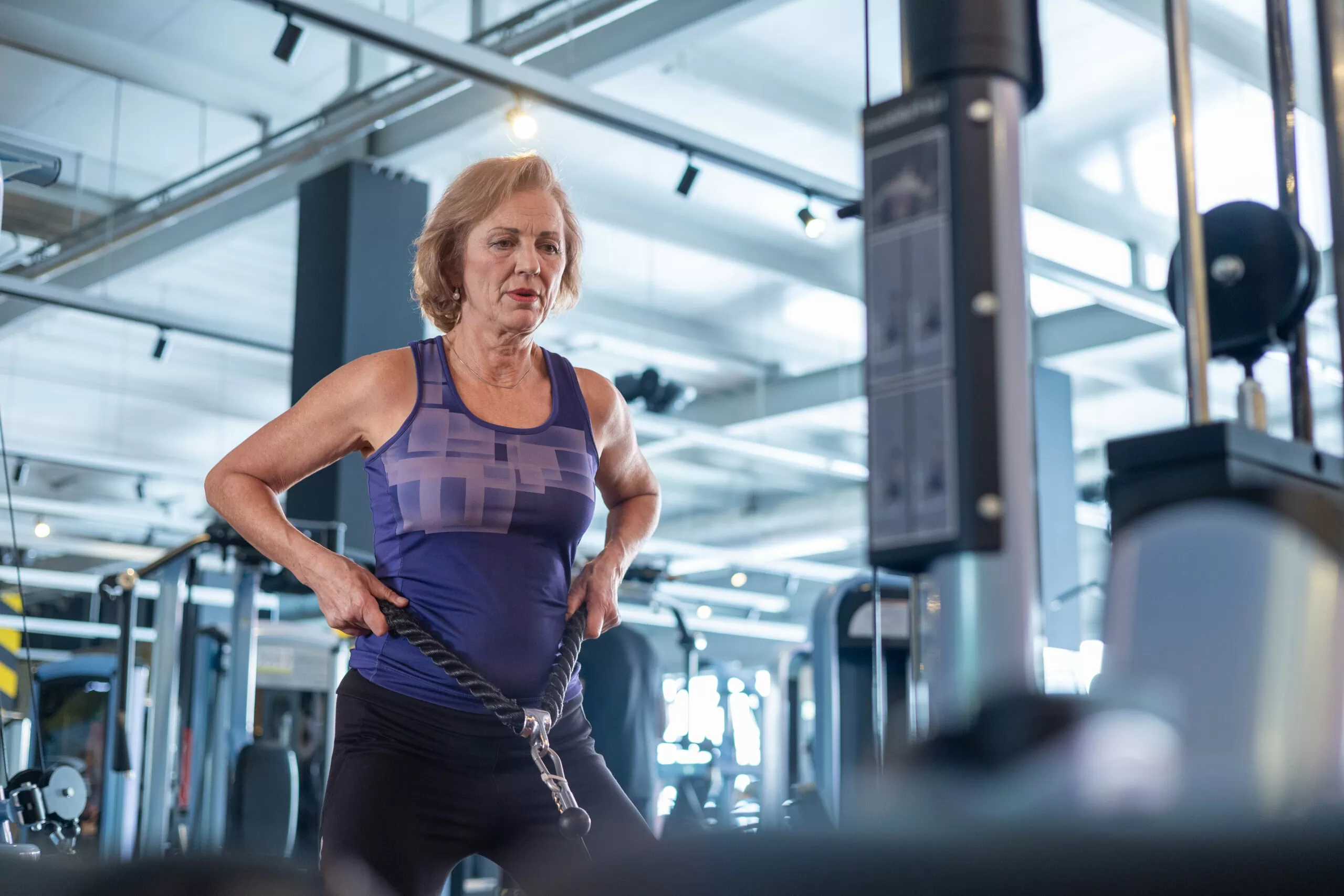
Personalized Strength Training Program For Osteoporosis
A 75-year-old woman came to our clinic after being diagnosed with osteoporosis. She had a noticeable decrease in her height and a family history of osteoporosis. She was anxious about the possibility of fractures and falls and was eager to find ways to improve her bone health.
Our physical therapists worked with her to develop a comprehensive strength training program. She started with low-impact exercises using resistance bands and gradually progressed to using weights and bodyweight exercises. Her program focused on strengthening her hips, spine, and core muscles, improving her posture, and increasing her overall strength and balance.
Over time, she noticed significant improvements in her strength and posture and also felt more confident and empowered. Strength training helped to improve her physical health and left a positive impact on her mental and emotional well-being.
Strength Training For Osteoporosis at Iberia Sports & Rehab
Incorporating strength training into a physical therapy program with our dedicated professionals is a safe and effective way to manage osteoporosis. We will conduct a thorough assessment, considering your medical history, current symptoms, and fitness level. Then we’ll design a personalized exercise program that targets specific muscle groups, focuses on proper form and technique, and gradually progresses in intensity as your strength and endurance improve.
If you or someone you know is struggling with osteoporosis, don’t wait any longer to schedule the first appointment. Our team of experienced physical therapists is here to help you enhance your well-being with stronger bones and improved mobility through a personalized treatment plan that addresses your specific needs and goals.
Remember, it’s never too late to take control of your bone health. Call us today to schedule an appointment and start building a stronger, healthier you!
Nutrition and Osteoporosis: Fueling Strong Bones
Osteoporosis, a condition marked by fragile bones prone to fractures, is a significant concern for many, particularly women after menopause. Exercise and physical therapy can help manage this condition, but proper nutrition forms the foundation for building and maintaining healthy bones.
Calcium
Calcium is the most abundant mineral in the body and the primary component of bone tissue, which makes it essential for supporting bone health and preventing osteoporosis. Dairy products, kale, broccoli, and bok choy are excellent sources.
Vitamin D
Vitamin D is crucial for calcium absorption and plays a vital role in bone health. It is primarily synthesized in the skin through exposure to sunlight but can also be obtained through dietary sources like fatty fish, egg yolks, and fortified foods.
Other Essential Nutrients
While calcium and vitamin D are vital, other nutrients contribute to bone health. Magnesium aids in bone formation and calcium absorption. Potassium helps maintain calcium balance in the body. Vitamin K is involved in bone mineralization.
Dietary Tips for Strong Bones
- Prioritize calcium-rich foods.
- Include a variety of fruits, vegetables, and whole grains in your diet.
- Limit processed foods, sugary drinks, and excessive alcohol consumption because these can negatively impact bone health.
By fueling your body with the right nutrients, you can take proactive steps toward building and maintaining strong bones. Remember, a balanced diet, combined with regular exercise and other healthy lifestyle choices, is key to managing osteoporosis and enjoying a vibrant, active life.
Exercise of the Month
Dead Bug
(Core, Lower Back)
Lie down on your back with your arms by your sides, your knees bent to 90-degrees, and your feet on the floor. Raise one arm up straight and one knee up towards the ceiling at the same time. Your arm should stay straight and be pointing straight up at the top and your knee should be at 90-degrees and be pointing straight up at the top. 3 Sets, 10 Reps.
Mexican Chicken Corn Soup
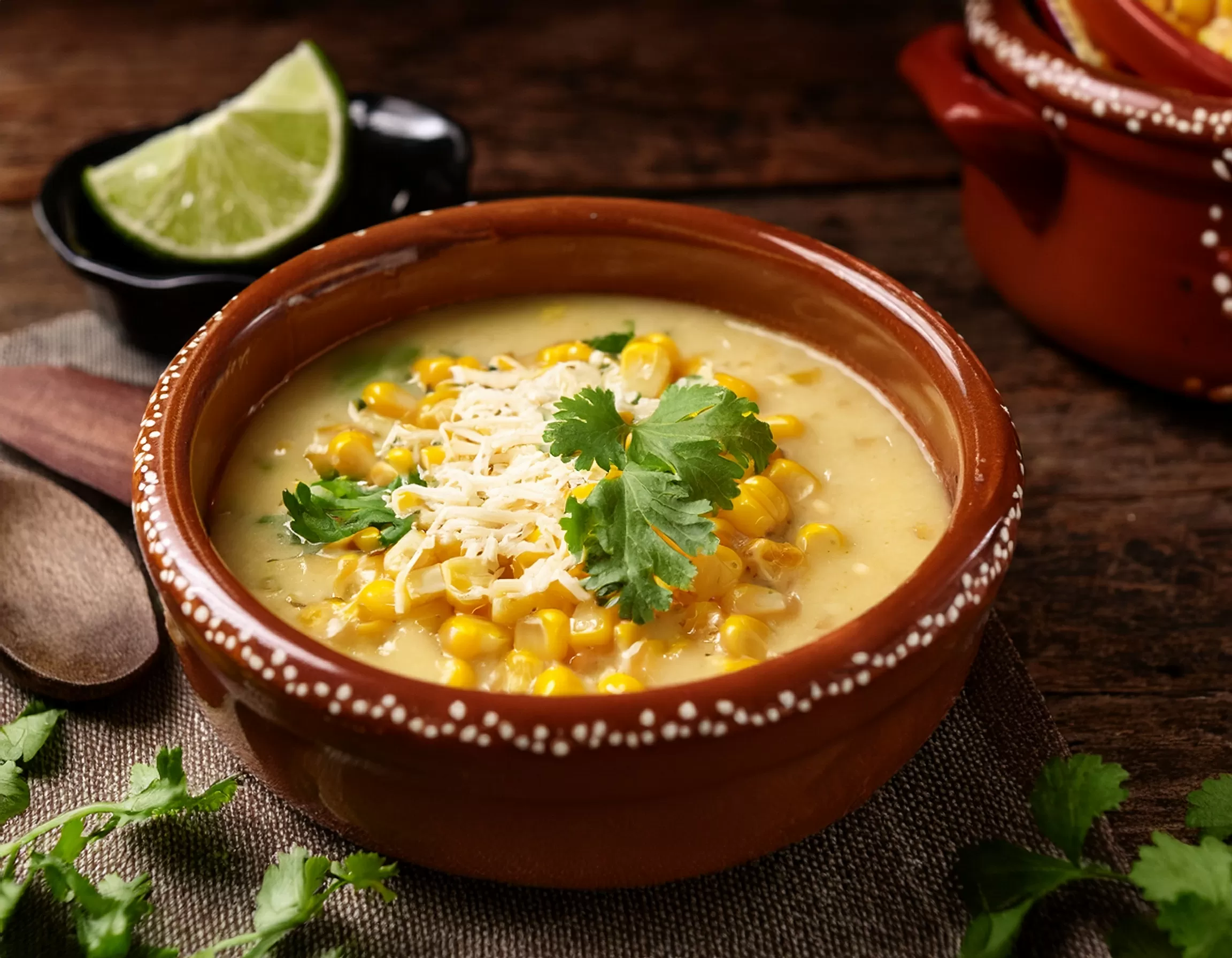
A creamy chicken corn soup flavored with Mexican spices and fresh jalapeños for a refreshing change from regular chowder. Easily made dairy free.
Ingredients:
- 2 tablespoons oil
- 1 onion chopped
- 1 jalapeño chili pepper chopped, fresh or frozen
- 1 cup red bell pepper and/or mild green chili peppers fresh or frozen
- 2 cloves garlic chopped
- 1 teaspoon ground cumin
- 1 teaspoon dried oregano
- 1 teaspoon salt to taste
- 1/2 teaspoon black pepper
- 2 tablespoons flour, or cornstarch or potato starch
- 3 cups chicken broth or 4 cups if you’d prefer all broth and no milk
- 2 cups corn kernels fresh or frozen
- 2 cups cooked chopped chicken, cubed
- 1 cup milk, half-and-half, or coconut milk
Optional Toppings:
- 1 to 1½ cups cheese jack, cheddar, cojita, or queso fresco
- 2 to 3 tablespoons sliced pickled jalapeños
- 1 lime sliced in wedges
Instructions:
- Heat the oil over medium high heat in a soup pot. Add the onion, peppers, garlic, cumin, oregano, salt and pepper. Sauté until tender and lightly browned, about 3-5 minutes.
- Sprinkle with flour, if using, and cook another couple of minutes.
- Stir in the chicken stock, corn, and cooked chicken. Heat to a boiling, then reduce heat and simmer 15 minutes.
- Stir in milk or coconut milk if you didn’t use all broth. If using a starch to thicken now, add 2 tablespoons corn or potato starch to a small bowl, add about 1 tablespoon of COLD water, stir until smooth, and then add to soup after adding milk. Stir a minute or two until thickened and taste for seasoning.
- Serve topped with optional shredded cheese, pickled jalapeños, and lime wedges to squeeze onto the soup bowls.