


Exploring When Stretching Helps The Most
Incorporate Stretching Into Your Physical Therapy Routine to Discover What You’ve Been Missing
Understanding how and why stretching is beneficial can significantly enhance your rehabilitation journey. So, whether you’re recovering from an injury, managing a chronic condition, or simply aiming to improve flexibility, our team is here to help!
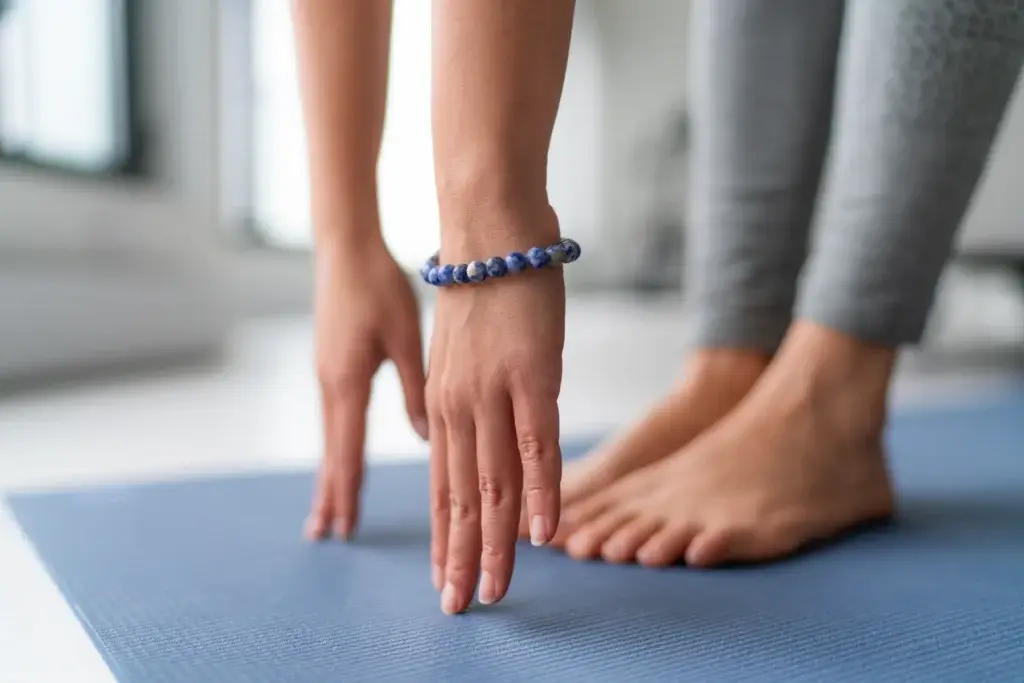
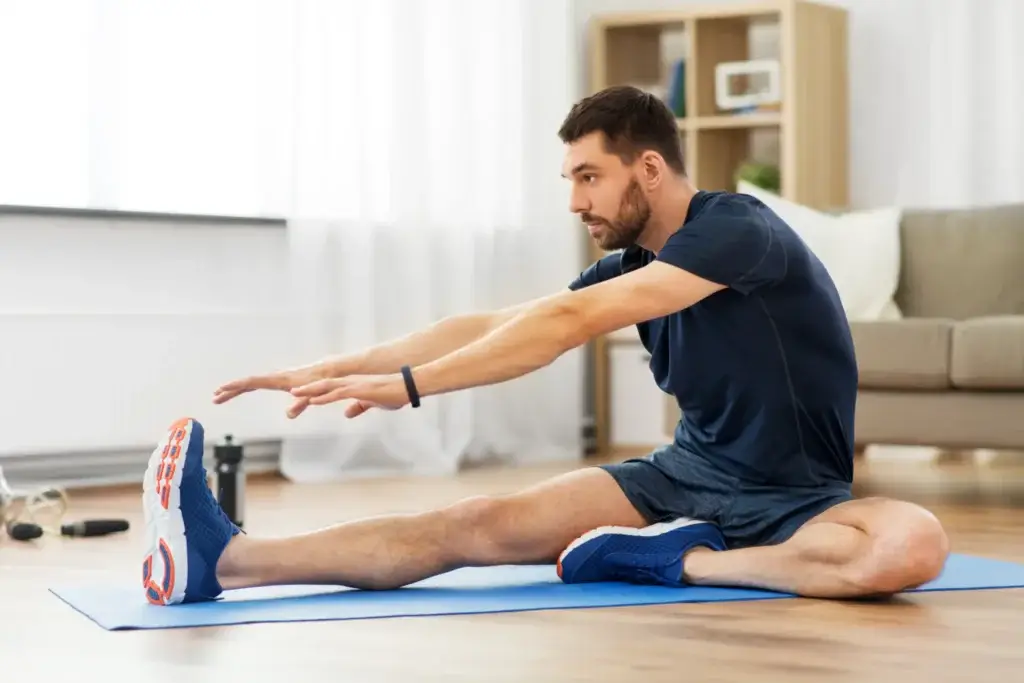
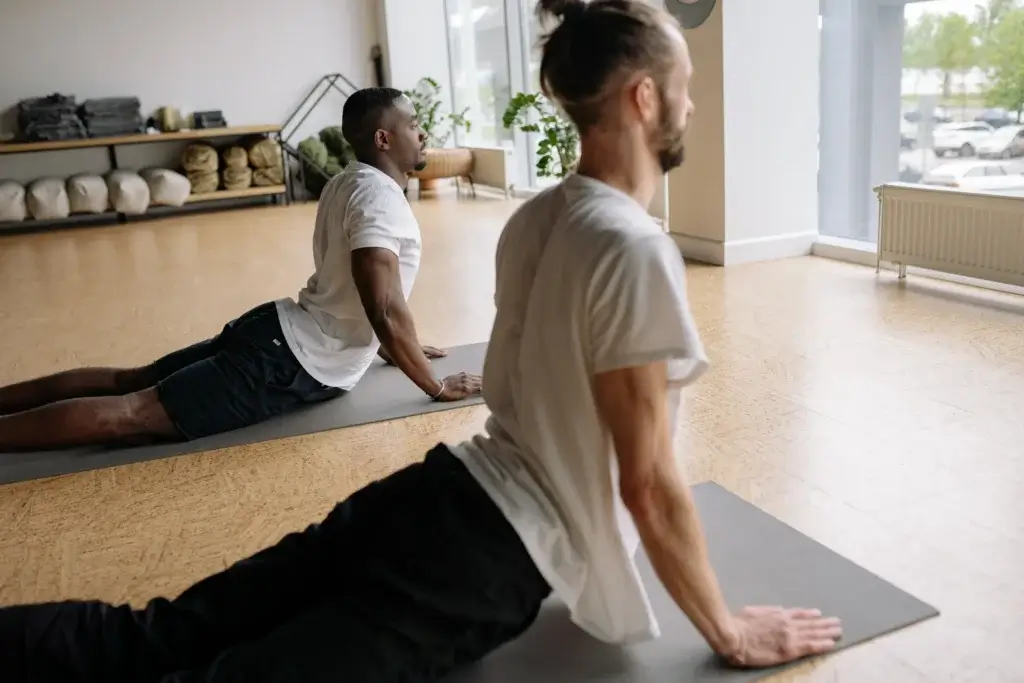
Stretching is a physical activity involving deliberate lengthening of muscles to improve flexibility, range of motion, and overall muscular function.
Benefits of Stretching
The positive effects of stretching have a wide reach because it can be done by people of all ages and abilities.
- Delay age-related mobility issues
- Increase flexibility in the tendons
- Enhance blood circulation
- Reduce muscle soreness
- Improve motion in soft tissue, including scar tissue
- Restore range of motion
Static stretching involves holding a position where a muscle or group of muscles are stretched without moving for a specific amount of time. It aims to gradually lengthen the muscles and improve flexibility over time. Common examples include the classic hamstring and calf stretches.
Dynamic stretching involves moving parts of your body and gradually increasing the range of motion and speed of movement. Unlike static stretching, this form prepares the muscles, joints, and other soft tissues for the movements you do during exercise. Well-known examples include arm circles and leg swings.
Exercise of the Month
Seated Sciatic Nerve Tensioner
(Sciatic Nerve, Hamstrings)
Sit in a chair with one foot flat on the ground and the foot on the side you want to work, flexed with your toes pointing towards your face. Lift one lower leg by lightly contracting the upper thigh while simultaneously lowering your head, slowly tucking your chin towards your chest, and exhaling. Slowly return to the start. 3 Sets, 10 Reps. (Materials needed: chair)
Common Conditions That Benefit From Stretching
- Lower Back Pain: Stretching helps alleviate tightness in the lower back muscles, improves mobility, and helps to reduce discomfort.
- Plantar Fasciitis: Stretching exercises for the calves and plantar fascia can relieve tension, improve foot mobility, and reduce heel pain.
- Frozen Shoulder: Stretching helps increase shoulder mobility, reduce stiffness, and restore range of motion in the shoulder joint.
- Neck Pain and Tension: Stretching exercises for the neck and upper back muscles can relieve tightness, improve posture, and reduce neck pain and tension headaches.
- Hamstring Strains: Regular stretching of the hamstrings improves flexibility, reduces the risk of strains, and aids in the recovery process after an injury.
- Osteoarthritis: Gentle stretching exercises help maintain muscle flexibility, reduce joint stiffness, and improve overall function in individuals with degenerative conditions.
These are just a few of the many conditions that benefit from stretching. Stress relief, combating the natural aging process, and reducing chronic pain are more ways this relaxing and important part of a comprehensive physical therapy plan can help you.
Stretching During Physical Therapy Appointments
Our physical therapists tailor stretching routines and exercises to your specific condition and needs. Here’s what you can expect:
- Assessment: Your PT will assess your range of motion, identify areas of tightness or restriction, and understand your medical history and goals.
- Stretching Exercises: You’ll engage in a variety of stretching exercises targeting the affected areas. They may be done with or without equipment (like straps or blocks), but will always be guided by your PT.
- Progress Monitoring: We will continuously monitor your progress to adjust the intensity and frequency as needed and provide guidance on home exercises to complement your in-clinic sessions.
Sources: https://www.arthritis.org/health-wellness/healthy-living/physical-activity/getting-started/get-in-the-habit-of-stretching, https://www.physio-pedia.com/Stretching
Book an Appointment at Iberia Sports & Rehab Today!
Our team is here to help you feel better through stretching and a comprehensive, personalized physical therapy program. No matter your age or physical abilities, we can design a program that takes into account your personal goals and needs.
Give us a call today to book your appointment for a detailed assessment and start your journey to freedom of movement.
Stretching for Stress-related Pain
Stretching isn’t just about improving flexibility and range of motion. It also plays an important role in relieving muscle pain and tension, which makes it an excellent tool for stress relief. When we experience stress, our muscles tend to tense up, which can lead to discomfort and pain. Stretching helps to counteract that by promoting relaxation, increasing blood flow to the muscles, and releasing built-up tension.
- Neck Pain: Gentle stretching, such as neck rotations, side bends, and chin tucks, can help promote relaxation and reduce pain caused by stress and poor posture.
- Upper Back: Stretches like chest openers and seated twists help loosen tight muscles in the upper back, shoulders, and chest to relieve tension and discomfort.
- Lower Back Pain: Standing backbends and glute stretches are two stretches that help the muscles affecting the lower back.
Incorporating a regular stretching routine into your daily life can help alleviate stress and improve overall well-being. Contact us today for an appointment to begin a personalized stretching routine designed by our skilled physical therapists.

Cinnamon Apple Bake
Ingredients
- 4 apples, sliced
- 1 cup fresh cranberries
- 1 tablespoon maple syrup
- 1 teaspoon cinnamon
- 1 teaspoon vanilla
- Pinch of nutmeg
- Small handful of chopped walnuts or pecans
- Optional: a squeeze of lemon
Steps
- Heat the oven to 375.
- Toss the apple slices and cranberries in a bowl with maple syrup, cinnamon, vanilla, nutmeg, and lemon if using.
- Spread the mixture in a small baking dish.
- Sprinkle nuts on top.
- Bake for about 25 minutes until the apples are soft and the cranberries burst.